Custom OEM Energy Meter Manufacturer I Saving

Custom OEM Energy Meter Manufacturer I Saving

We deliver full-spectrum services including smart meters, data terminals, cloud software and system O&M, empowering enterprises and power utilities with reliable energy management systems.

One-Stop Energy Metering & Management Solutions

One-Stop Energy Metering & Management Solutions

Stable wireless communication, compact structure and easy installation. Realize remote meter reading, power consumption monitoring and centralized management for power distribution systems.

Trusted Meter Supplier & Custom OEM Service

Trusted Meter Supplier & Custom OEM Service

Complete product certification, mature supply chain and customized technical support. Long-term partnership for power distributors, engineering contractors and global utility clients.

Company Profiles

Company Profiles

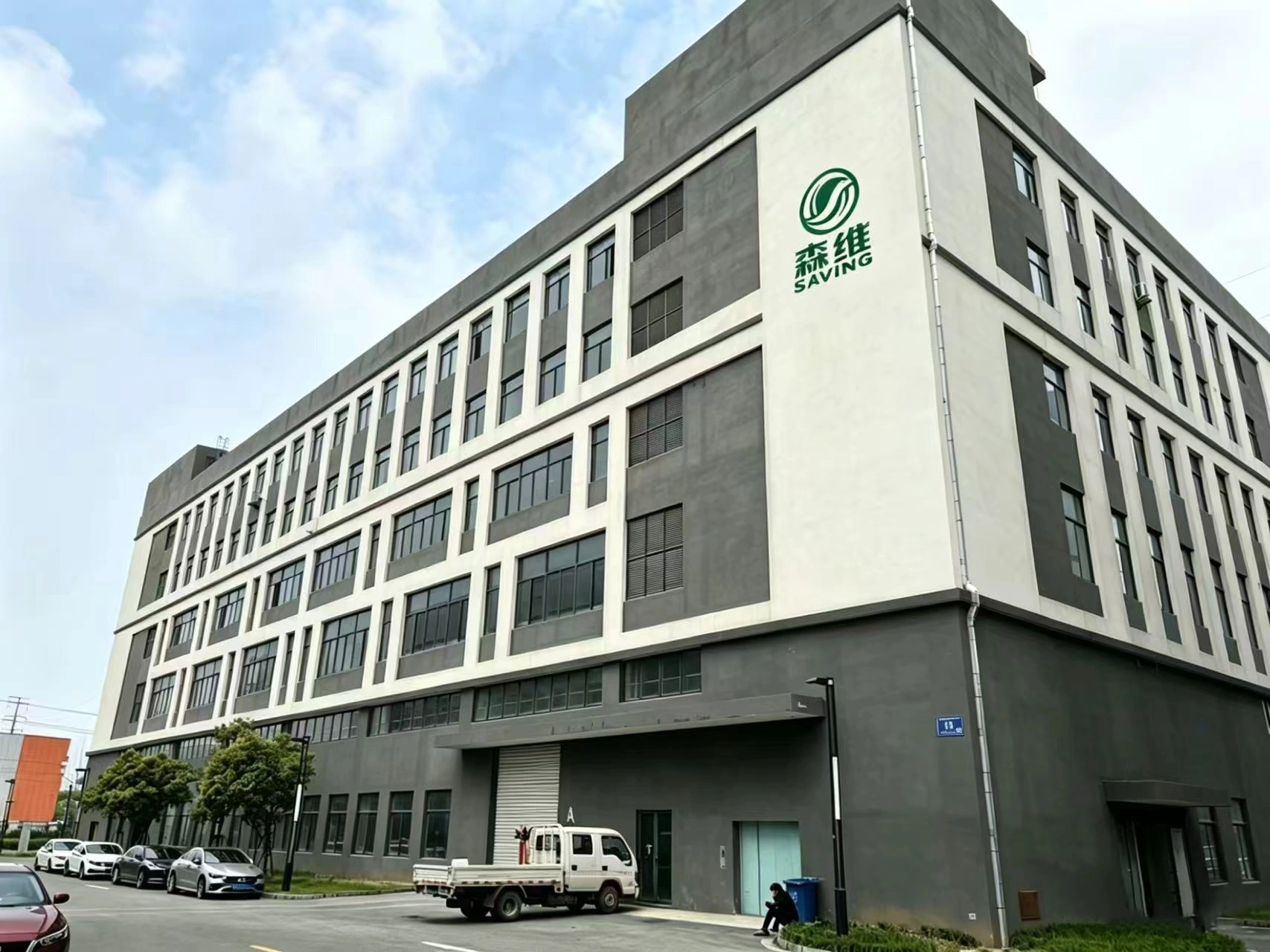
Jiangsu Saving Electronics Co., Ltd. is a one-stop energy metering management service provider with intelligent electricity meters at its core, offering a full range of services including metering equipment, data acquisition devices, cloud software, system integration, and system operation and maintenance. The company always adheres to a technology-centered and market-oriented business policy, advocating the business philosophy of 'co-creation, sharing, mutual progress, and win-win.' Our mission is 'focusing on energy management to assist energy saving and emission reduction,' our vision is 'safer electricity use, more peace of mind for customers, happier employees, and a lower-carbon society,' our commitment is 'accurate metering, reliable and trustworthy,' and our principle is 'honest operation, mutual benefit, and win-win.' Innovation is the eternal pursuit of Senwei people. We will continue to leverage our technological advantages in the field of energy metering management to help customers achieve scientific energy use and the goal of energy saving and consumption reduction, contributing to the creation of a resource-saving and environmentally friendly society.

Jiangsu Saving Electronic Co., Ltd.

Main Product
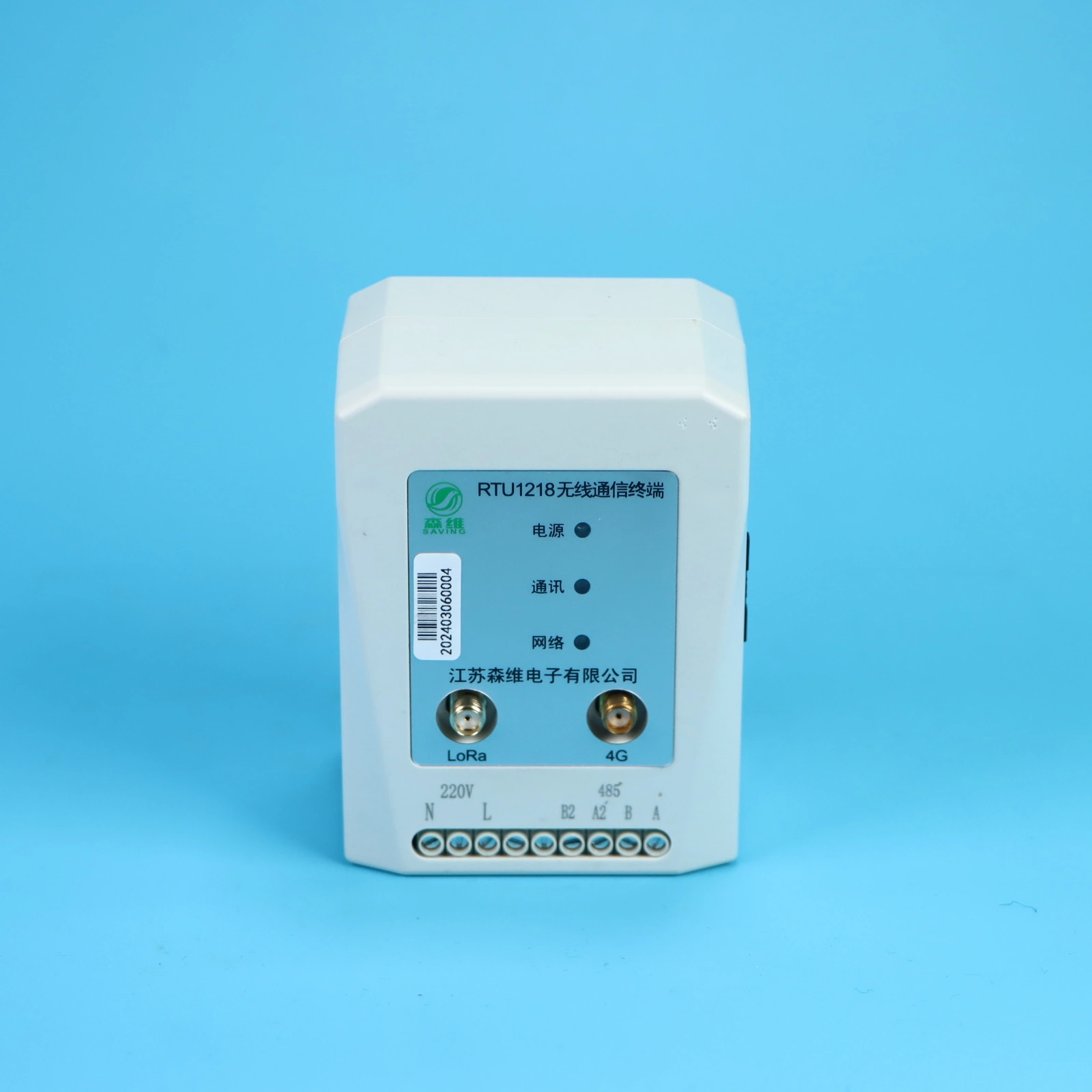
Power Data Gateway Terminal (4G/LoRa) RTU1218
The power data gateway terminal is primarily designed for electricity consumption monitoring. It features upstream 4G wireless communication capabilities and downstream LoRa wireless meter reading, enabling a fully wireless communication architecture that facilitates electricity monitoring, centralized meter reading, and remote management for users. The product offers numerous advantages, including rapid and stable communication, a compact form factor, and ease of installation. It can be flexibly installed within power distribution cabinets to enable sub-metering, statistical analysis, and monitoring of electrical energy consumption across different zones and load types.
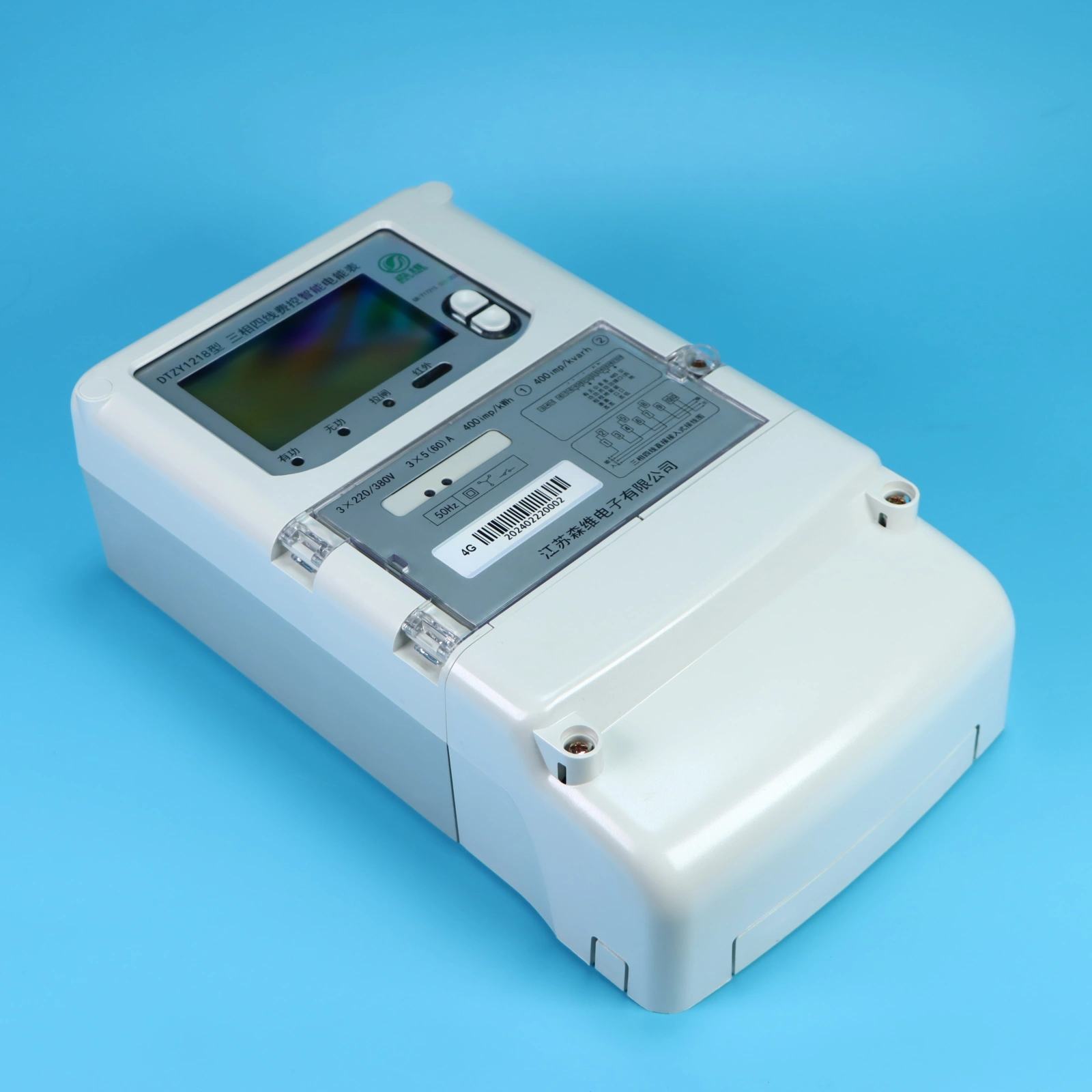
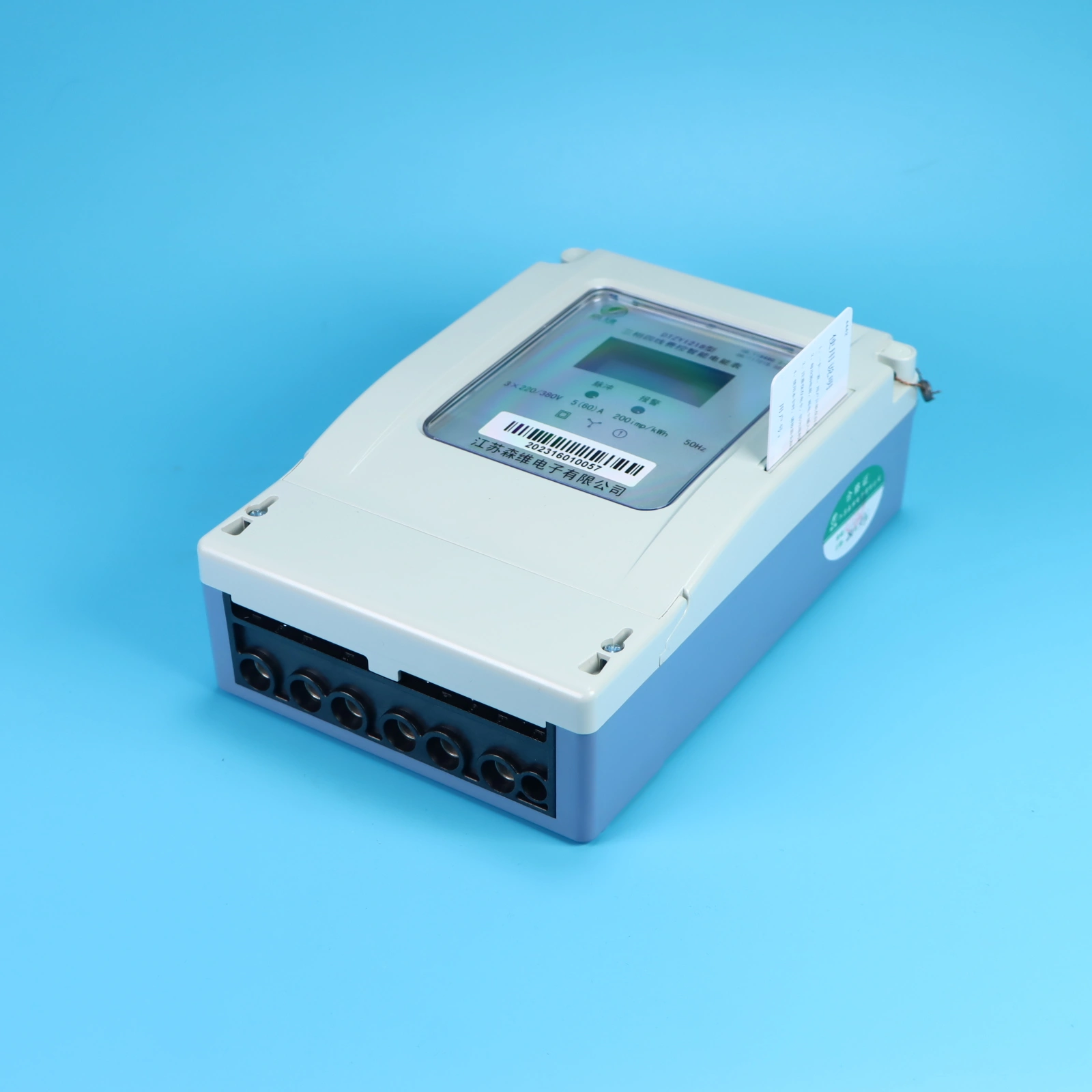
Three-Phase Four-Wire Fee-Control Smart Energy Meter DT/SZY1218-D
The Three-Phase Fee-Control Smart Energy Meter is a state-of-the-art instrument designed and manufactured to meet the actual electricity consumption needs of industrial users, utilizing large-scale integrated circuits, digital sampling and processing technologies, and Surface Mount Technology (SMT).
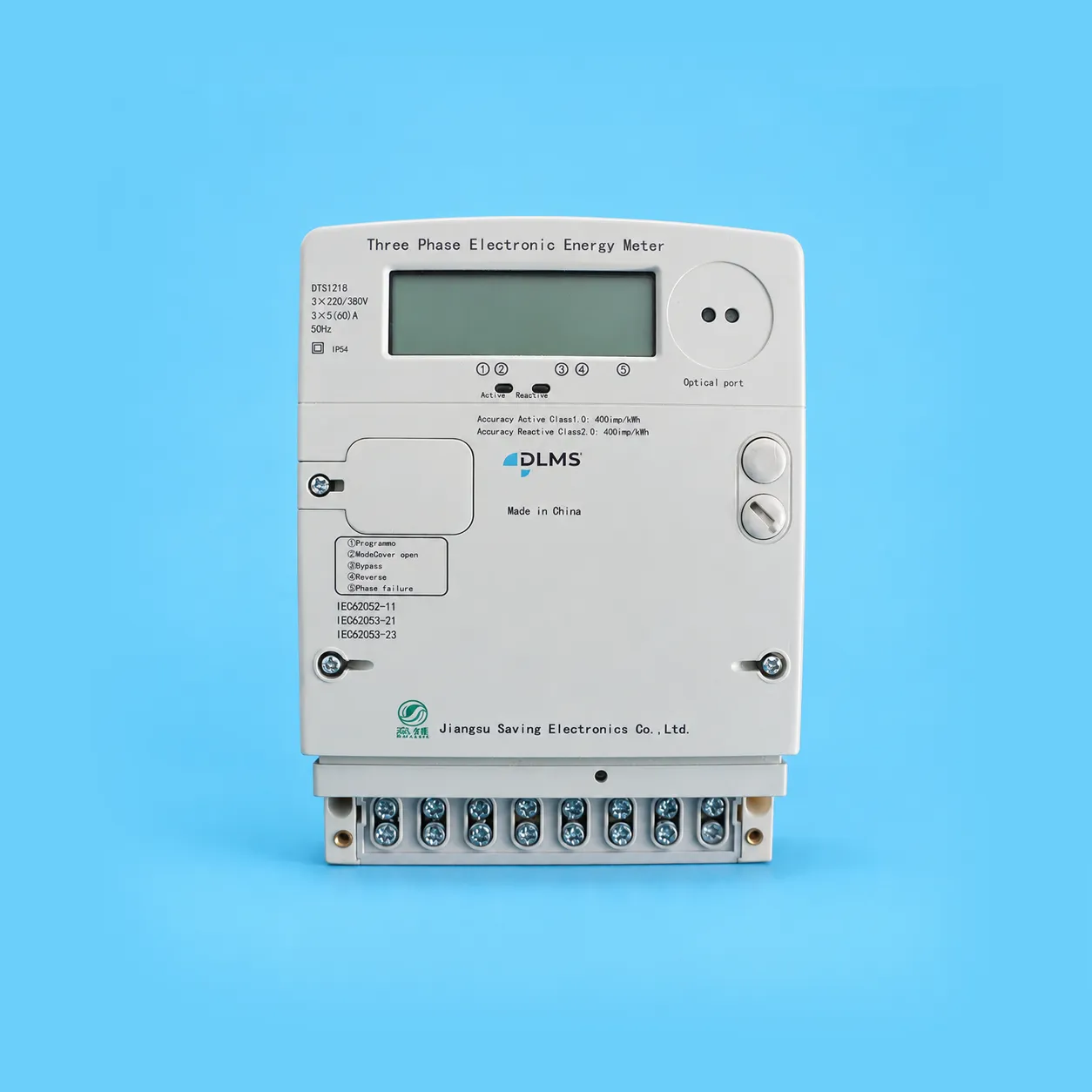
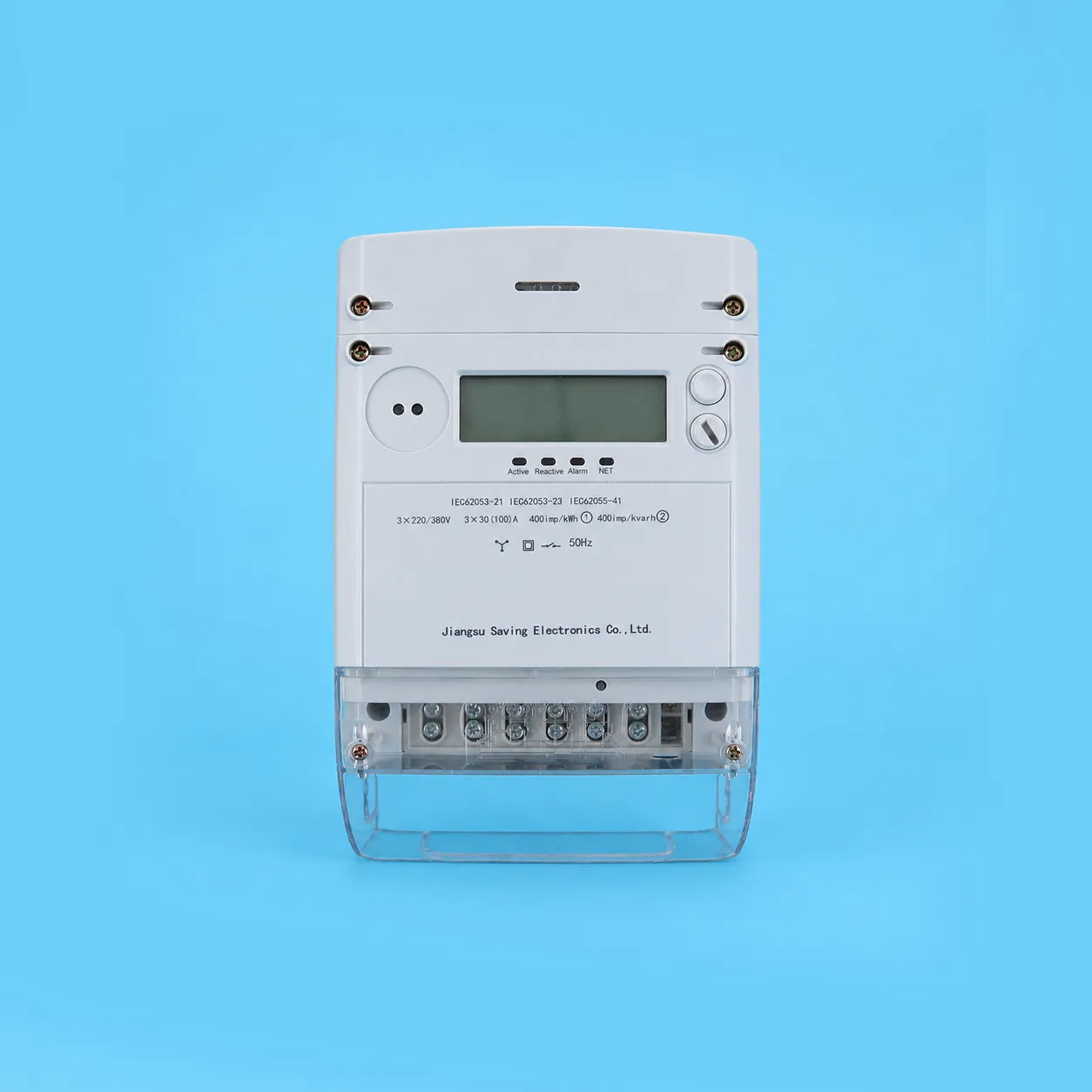
Three-Phase Electronic Energy Meter DTS1218
The Model DTS1218 Three-Phase Electronic Energy Meter is a state-of-the-art instrument designed and manufactured to meet the actual power consumption requirements of industrial users, utilizing large-scale integrated circuits, digital sampling and processing technology, and SMT processes.
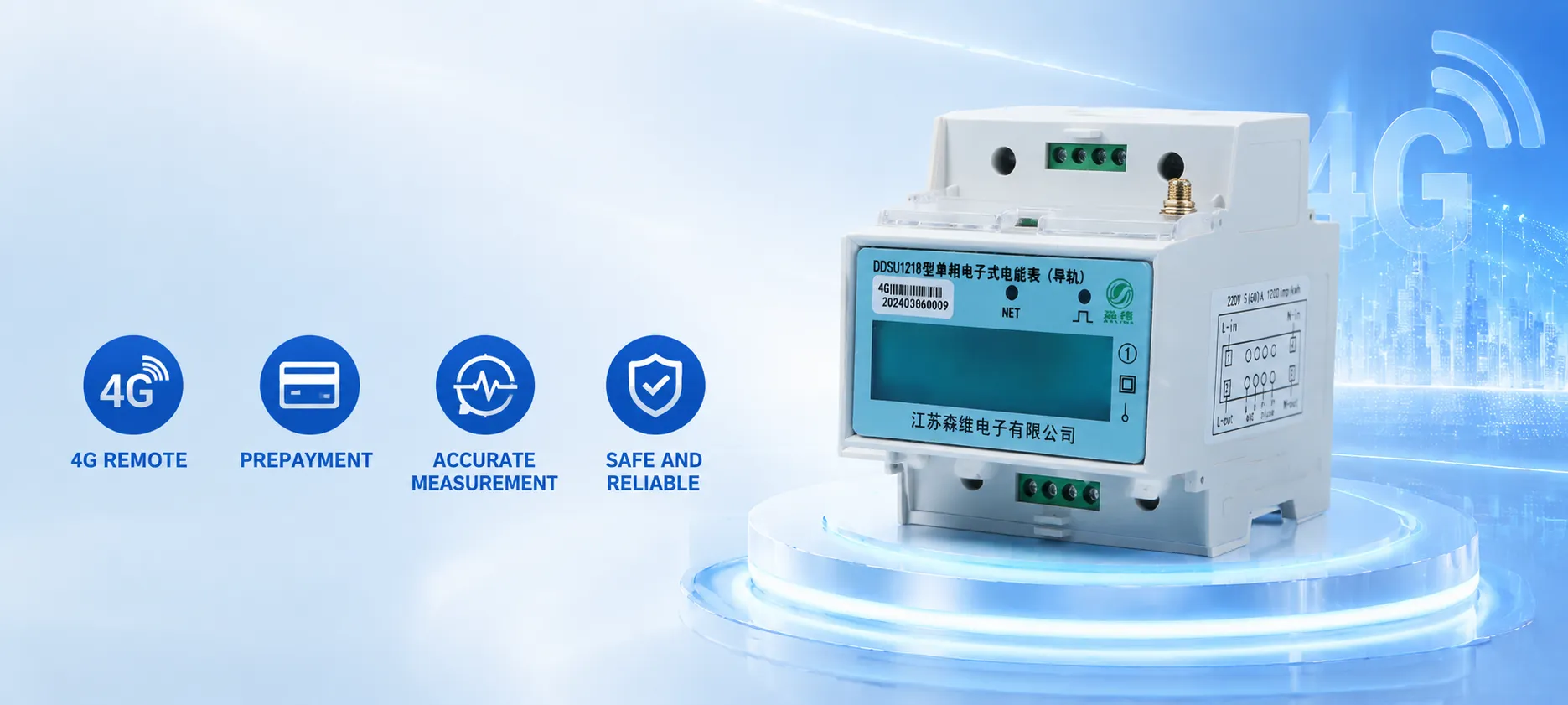
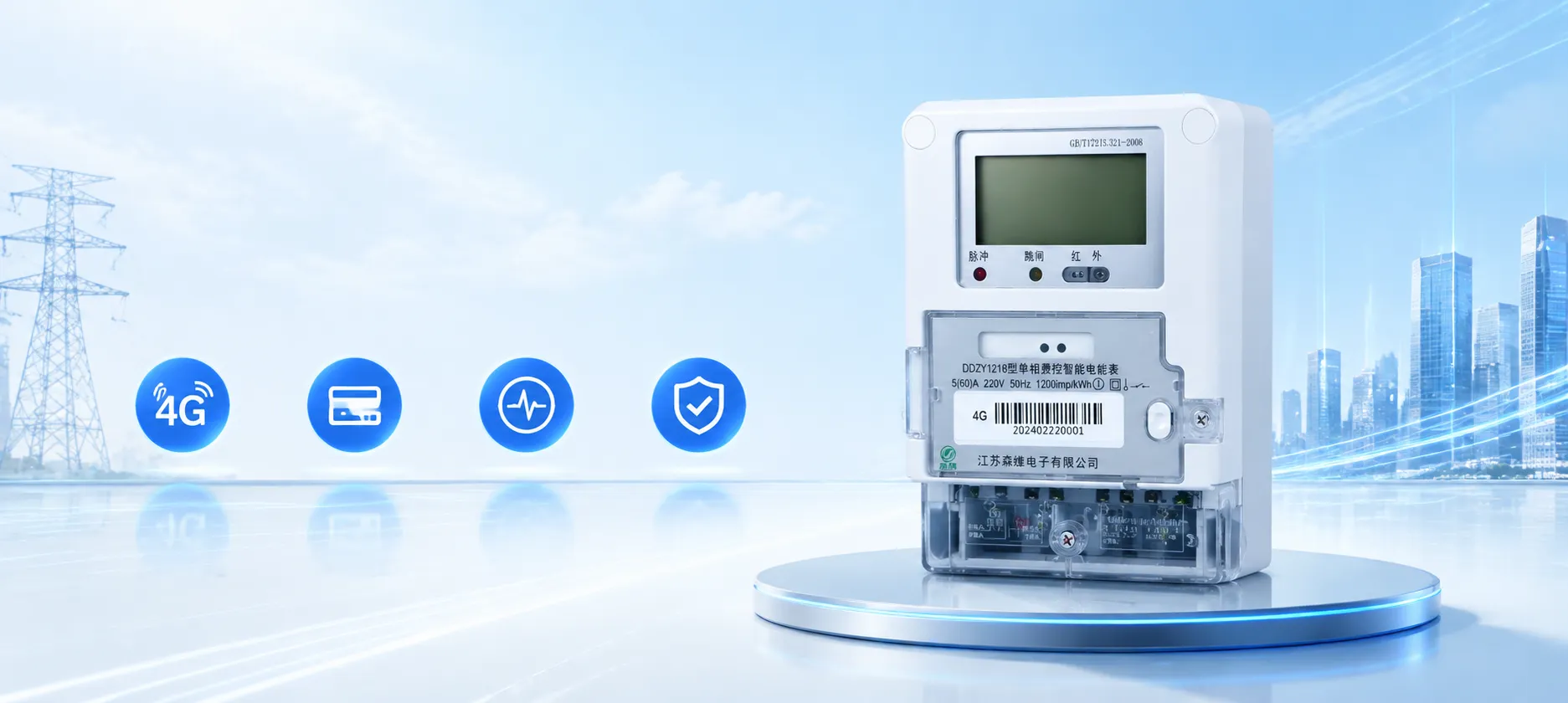
4G Three-Phase DIN-Rail Smart Energy Meter DDSU1218
The DTSU1218 three-phase DIN-rail energy meter is designed to measure single- and three-phase AC active energy at rated frequencies of 50 Hz and 60 Hz. It features functions such as prepayment, load control, RS485 communication, and 4G communication. Its performance specifications comply with the technical requirements for energy meters stipulated in the national standards GB/T 17215.321-2021 and GB/T 17215.322-2022.
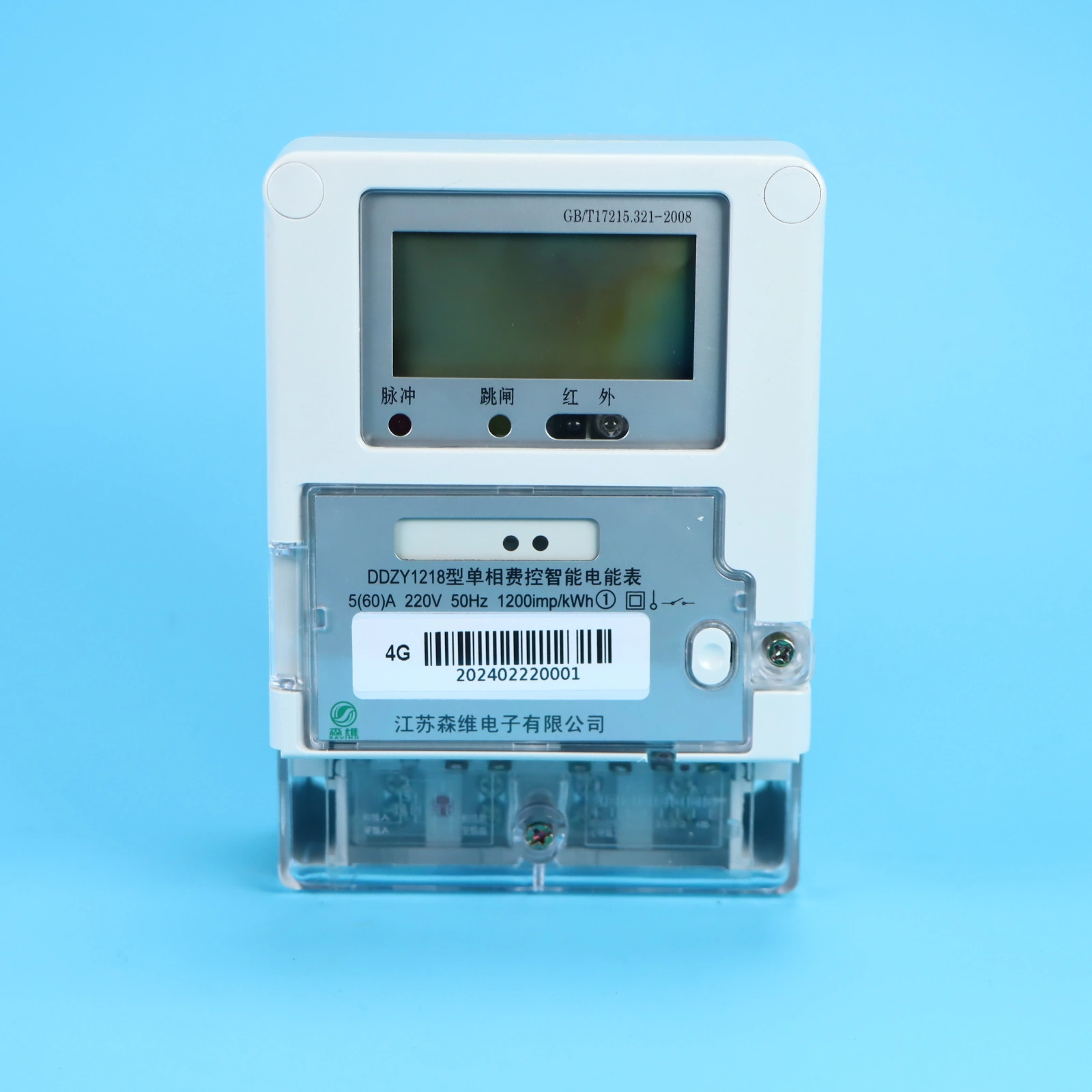
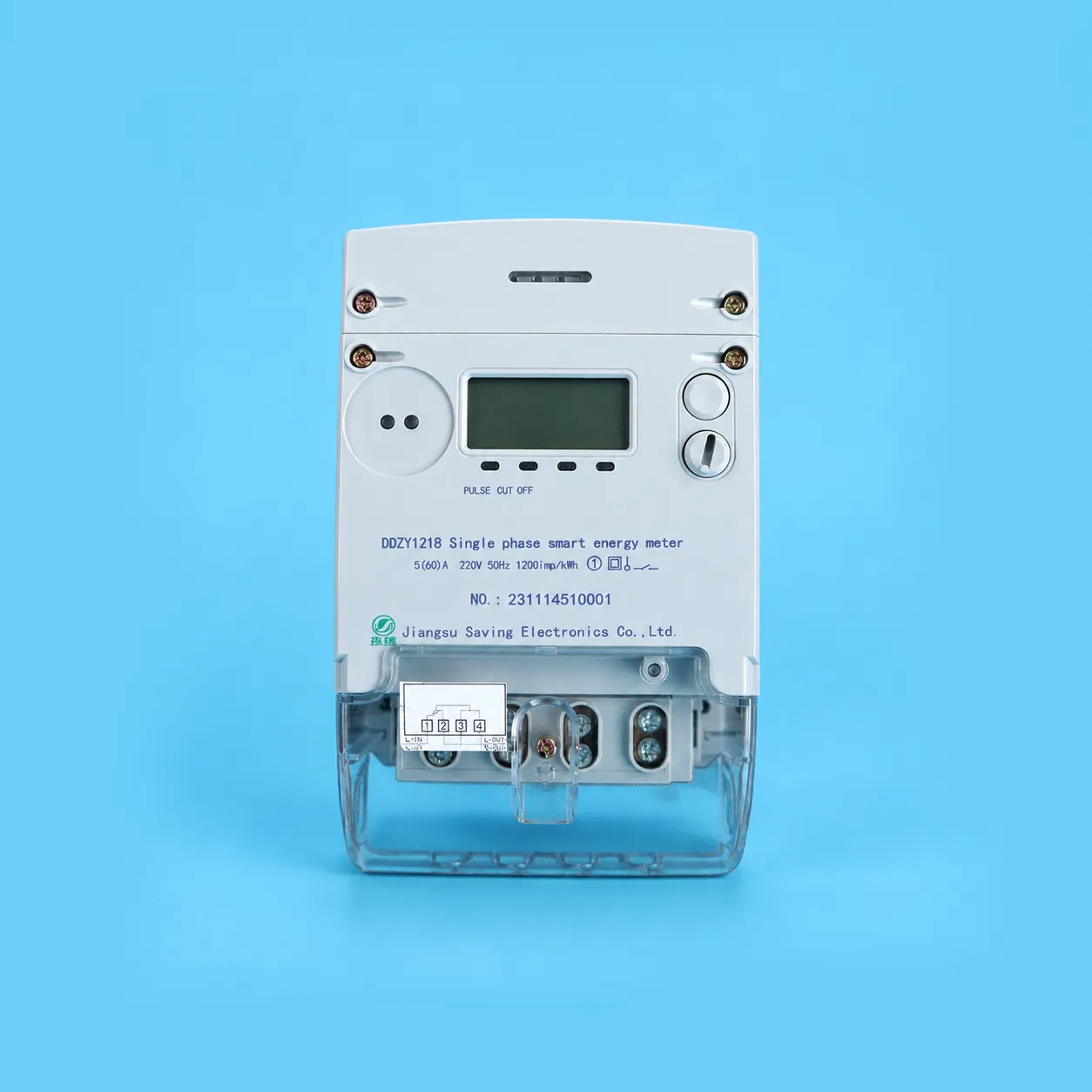
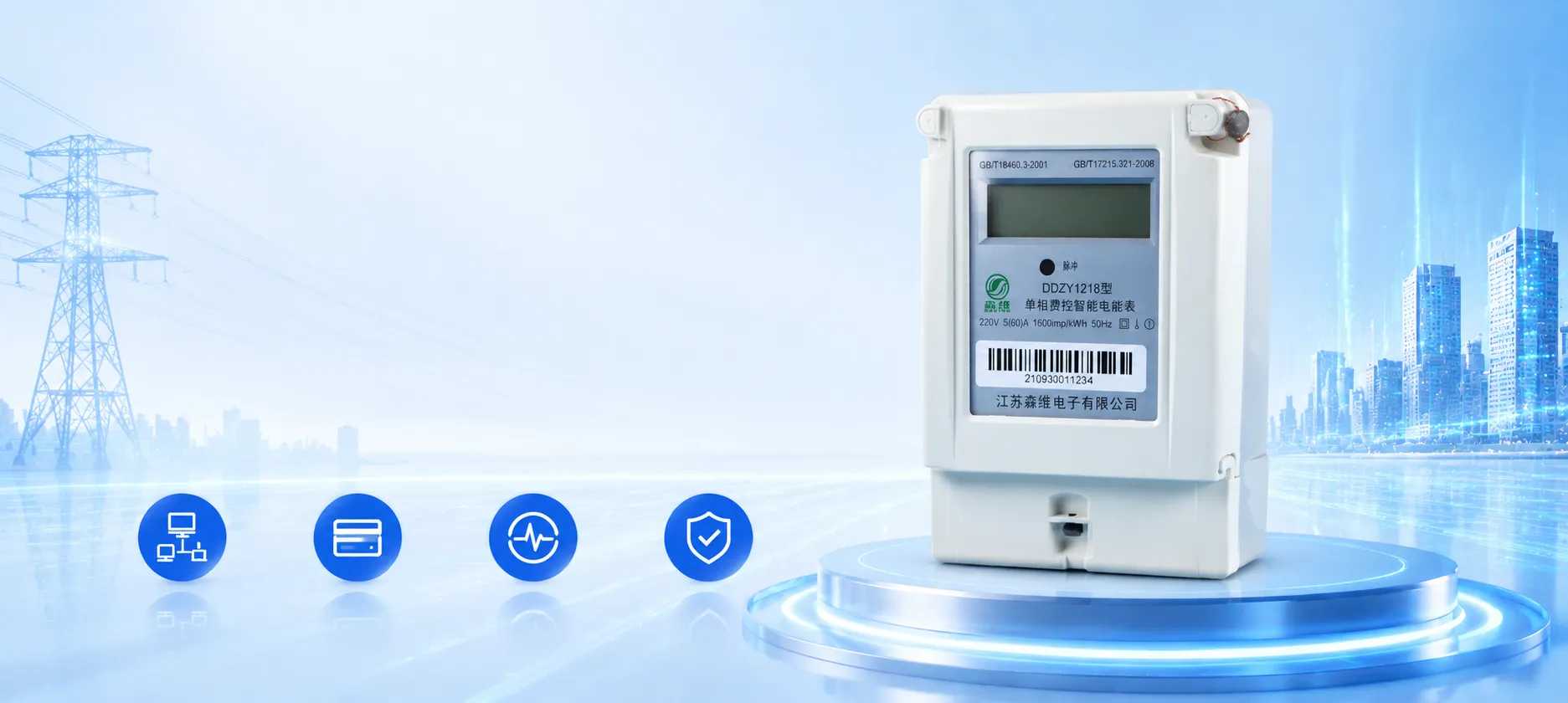
G Type Single-phase Intelligent Energy Meter with Power Control DDZY1218-Z
The DDZY1218-Z single-phase smart energy meter is a next-generation electricity meter developed by our company in accordance with technical specifications for smart meters established by the State Grid Corporation. Designed to comply with GB/T 17215.321-2021 and DL/T 645-2007 standards, this product utilizes dedicated large-scale integrated circuits and SMT manufacturing processes, featuring comprehensive functions including energy metering, data processing, real-time monitoring, automated control, and information exchange.
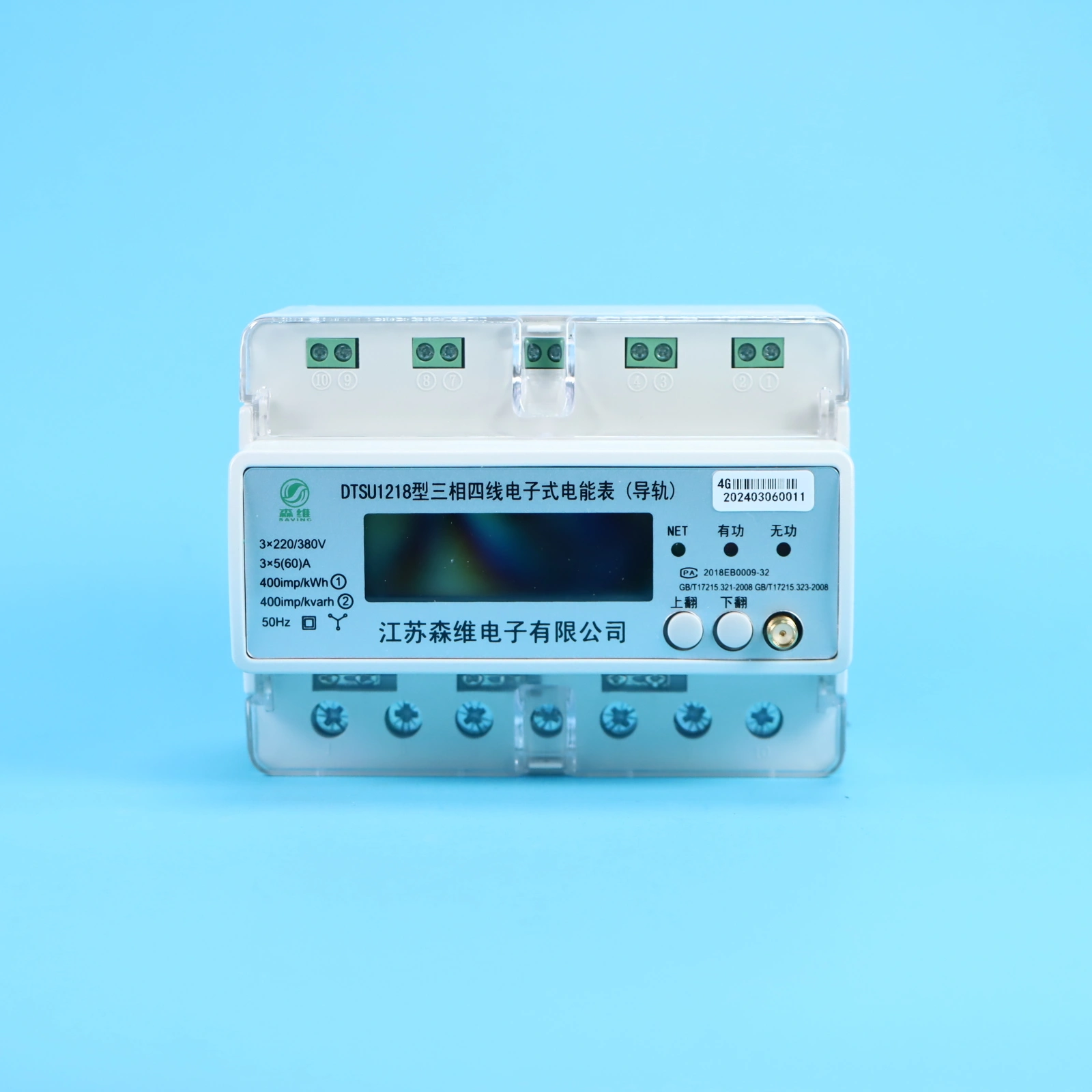
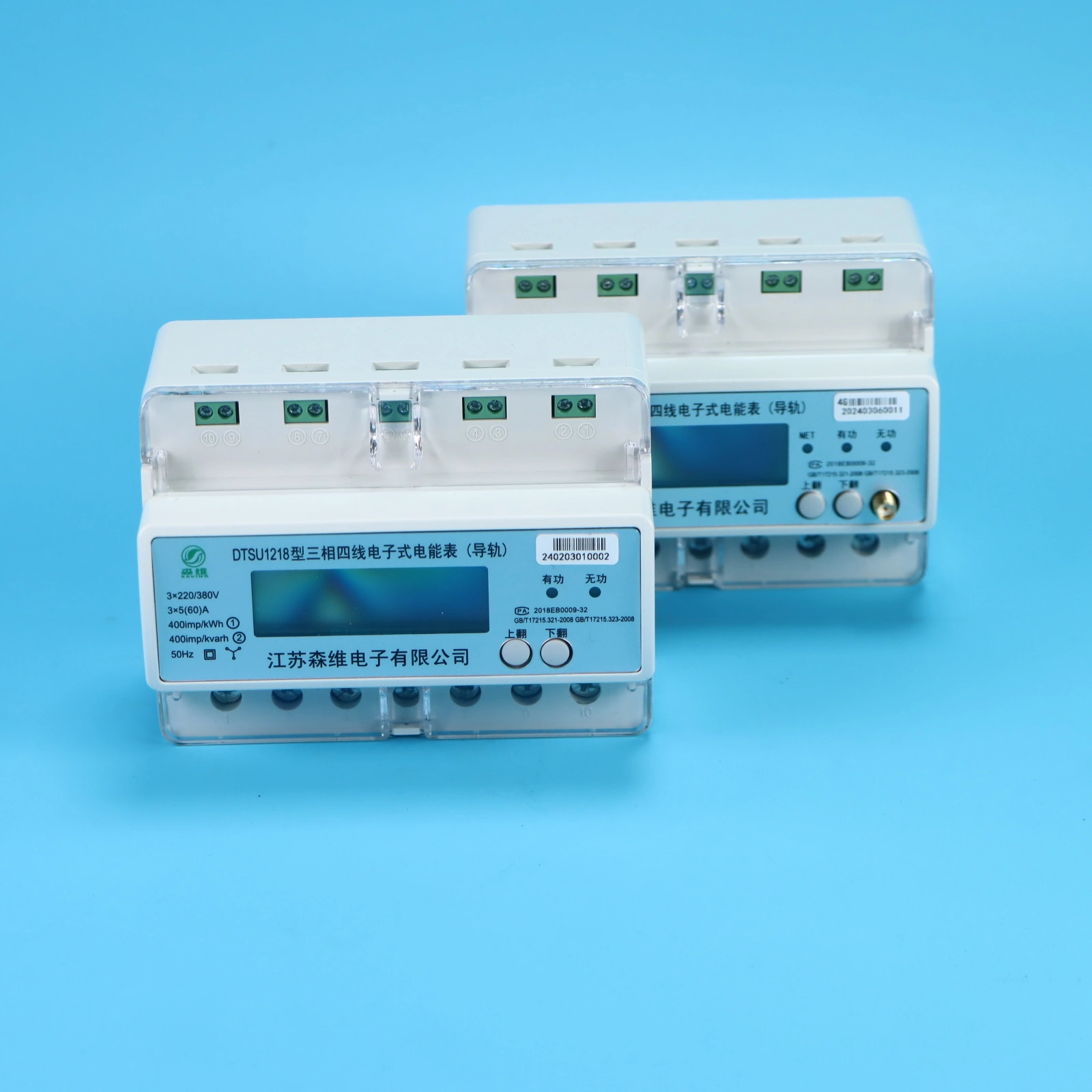
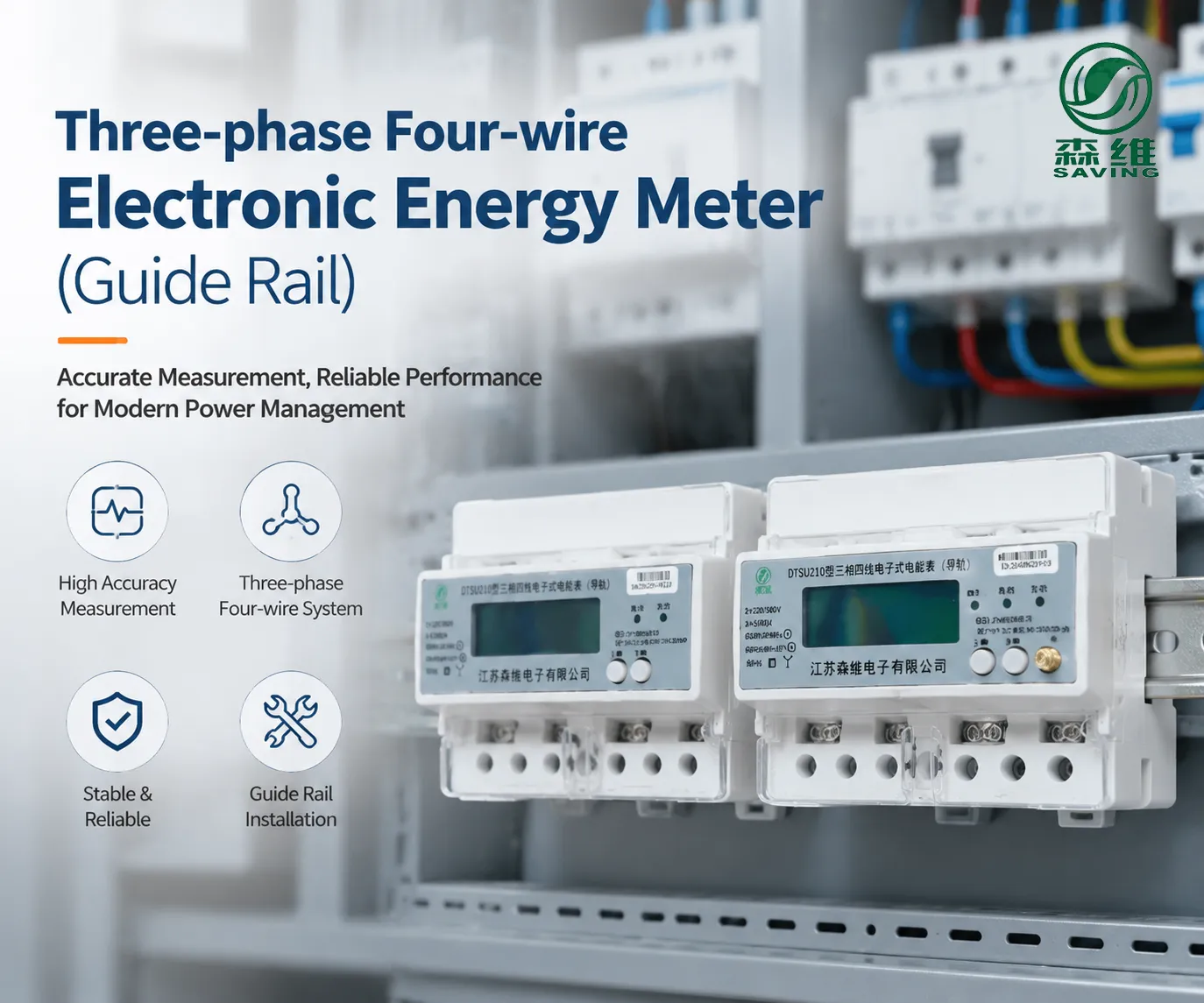
Three-phase Four-wire Electronic Energy Meter (Guide Rail) DTSU1218
DTSU1218 three-phase four-wire electronic energy meter (guide rail) is a new generation of energy metering products developed and produced by our company in accordance with relevant technical specifications. This product adopts dedicated large-scale integrated circuits and SMT production technology, and has functions such as energy metering, data processing, real-time monitoring, and information interaction. The RS485 communication interface supports Modbus and DL/T 645 dual communication protocols. This product is widely used in various control systems, energy management systems, community power monitoring, industrial automation and other power management automation systems.
OEM&OEM

OEM&OEM

professional

professional

Certification

Certification

quality

quality

New Arrivals

News

RS485 Energy Meter Wiring: How to Build a Reliable Multi-Meter Bus
RS485 Energy Meter Wiring: How to Build a Reliable Multi-Meter Bus How to wire and commission an RS485 energy meter bus: daisy-chain topology, cable and shielding, termination resistors, meter addressing, baud and protocol settings, step-by-step commissioning, and a fault-finding table.
Why Your Meter Reading Doesn't Match the Electricity Bill
Why Your Meter Reading Doesn't Match the Electricity Bill Why your energy meter readings and your electricity bill disagree: tariff components, measurement boundaries, CT scaling errors, demand and power factor charges, time-of-use splits, and a monthly reconciliation checklist.
Energy Meter Accuracy Class Explained: IEC 62053-21, Class B and the S Classes
Energy Meter Accuracy Class Explained: IEC 62053-21, Class B and the S Classes Energy meter accuracy classes follow different classification systems under international, Chinese, EU, and metering-practice standards, and each class defines a specific maximum error limit for active energy measurement. Key class types and selection guidance are as follows: 1. IEC 62053-21 numeric classes: Defined by the International Electrotechnical Commission for active energy measurement meters, these classes use numeric designations including 0.2, 0.5, 1, and 2, where the number represents the maximum permissible percentage error of the meter. Class 0.2 (±0.2% error) is used for high-precision settlement and grid interfacing; class 0.5 (±0.5% error) is used for medium-precision industrial billing; class 1 (±1% error) is used for commercial and general industrial billing; class 2 (±2% error) is used for low-accuracy residential and non-critical monitoring. 2. GB/T 17215.321-2021 letter classes: China’s national standard for static active energy meters adopts a letter-based classification system, defining class A, class B, class C, and class D. These classes correspond to equivalent error performance levels aligned with IEC numeric classes, and are required for meters used in Chinese domestic grid settlement and metering applications. 3. MID indexes: The EU Measuring Instruments Directive (MID) defines metrological performance indexes for energy meters, categorized as class 1, class 2, and class 3. These indexes set mandatory error limits and performance requirements for meters used for trade settlement within the European Economic Area, with class 1 corresponding to the highest accuracy for critical billing applications. 4. S classes for CT metering: S (special) classes such as class 0.2S and class 0.5S are designed for current transformer (CT)-connected metering systems. Unlike standard classes, S classes maintain strict accuracy across a much wider low-load current range (typically from 1% to 120% of rated current), making them ideal for applications with widely varying load levels such as distributed generation and industrial facilities with fluctuating demand. 5. Application-based class selection: To select an appropriate class, first identify the application type: for trade settlement and grid interconnection, choose the highest accuracy class required by local regulations (e.g., class 0.2/0.2S for high-voltage grid interfaces, class 0.5/0.5S for medium-voltage industrial billing); for internal energy management and non-billing monitoring, lower accuracy classes (class 1 or 2) are sufficient to balance cost and performance; for CT-connected systems with variable loads, prioritize S-class meters to ensure accuracy at low load. Always verify compliance with local national or regional standards (IEC, GB/T, MID) for the target market.
View all
Submit information

Submit information