Smart Meter 4G: Benefits, Features, Applications & Buying Guide
News Details
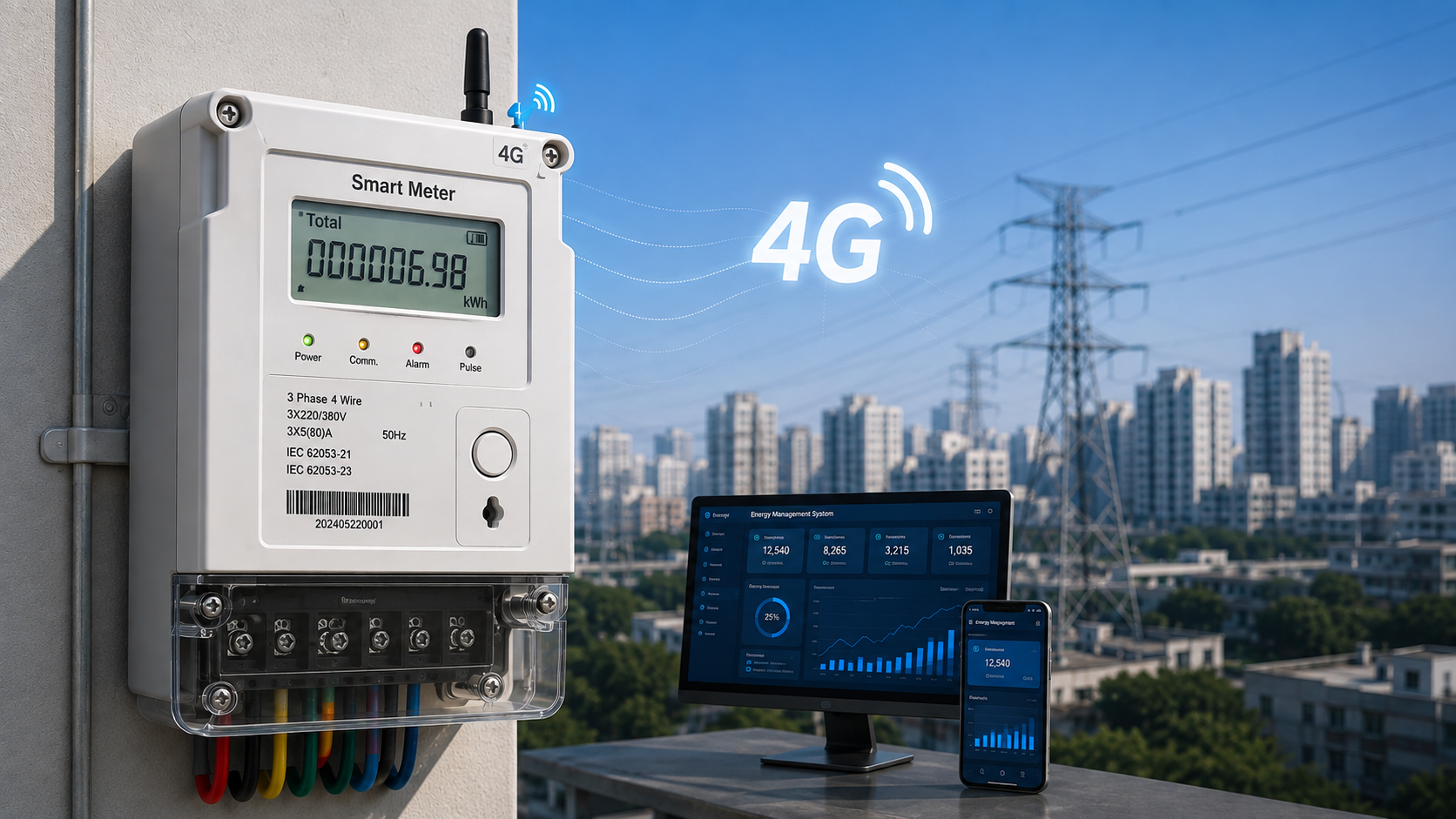
Smart Meter 4G: Benefits, Features, Applications, and Buying Guide
As energy management becomes more digital, smart meters are playing a bigger role in homes, businesses, factories, and power systems. Among these solutions, the smart meter 4G stands out because it can combine accurate energy measurement with wireless communication.
Unlike traditional meters, a 4G smart meter can send energy data through a mobile network. Therefore, users can monitor power use, read meters remotely, and manage energy data without relying only on manual meter reading.
Saving Meter provides smart energy metering products and energy management solutions, including 4G smart energy meters, power data gateway terminals, and meters with RS485 and 4G communication options. These products can support remote meter reading, energy monitoring, sub-metering, and power management applications.
What Is a Smart Meter 4G?
A smart meter 4G is an energy meter that uses 4G wireless communication to transmit electricity data.
In a traditional electricity meter, users often need to check the meter on site. However, a 4G smart meter can connect to a remote platform or energy management system. As a result, energy data can be collected and viewed more easily.
A typical smart meter 4G solution may include:
· Electricity measurement
· 4G wireless communication
· Remote meter reading
· Real-time or scheduled data monitoring
· Energy data collection
· RS485 communication
· Load management
· Prepayment functions on selected models
· Connection with energy management software
For example, Saving Meter's 4G three-phase DIN-rail smart energy meter supports functions such as prepayment, load control, RS485 communication, and 4G communication.
What Are the Benefits of a 4G Smart Meter?
A 4G smart meter offers several advantages over a conventional electricity meter. Most importantly, it can reduce the need for manual meter reading.
1. Remote Meter Reading
First, 4G communication allows meter data to be transmitted remotely. This is especially useful when meters are installed in large buildings, industrial sites, or multiple locations.
Instead of sending staff to read each meter, users can collect data through a connected system. Therefore, meter reading can become faster and more efficient.
2. Wireless Data Communication
Second, a smart meter 4G does not always need a wired network connection for data communication.
Because it uses a cellular network, it can be suitable for locations where installing network cables is difficult. This makes 4G smart meters useful for distributed energy monitoring projects.
3. Better Energy Monitoring
In addition, 4G smart meters can provide regular energy data for monitoring and analysis.
With better access to consumption data, businesses can identify high-energy loads, compare energy use between different areas, and improve energy management.
Saving Meter also provides power data gateway solutions that use 4G for upstream communication and LoRa for downstream wireless meter reading. This architecture can support centralized meter reading, electricity monitoring, and remote management.
4. Easier Sub-Metering
Moreover, a smart meter 4G can be used for sub-metering.
For example, a commercial building may need to monitor electricity use by different tenants or areas. An industrial facility may also want to measure different production zones or types of loads.
With sub-metering, users can get more detailed energy data and make better energy decisions.
5. Flexible Installation
Many smart meters are designed for DIN-rail installation. This makes them convenient for installation inside distribution cabinets and other electrical systems.
Saving Meter's 4G smart energy meter products are designed for DIN-rail applications and can be used for electricity monitoring and energy management.
Key Features of Smart Meter 4G Technology
When choosing a smart meter 4G, it is important to look beyond the 4G connection. The meter itself should also meet the needs of the project.
4G Communication
The most important feature is 4G communication. It allows the meter to transmit energy data through a cellular network.
However, users should check the supported communication bands and local network compatibility before installation.
RS485 Communication
RS485 is another useful feature for smart energy meters.
It can connect the meter with other devices or an energy management system. Saving Meter offers smart meter products with RS485 communication, while some models also provide 4G communication.
Accurate Energy Measurement
Of course, accurate measurement remains the basic function of any smart meter.
A good smart meter should provide stable energy measurement and reliable data for billing, monitoring, and energy analysis.
Remote Monitoring
Remote monitoring makes a 4G smart meter more useful for modern energy systems.
Users can collect energy information without visiting the meter location. As a result, maintenance teams can spend less time on routine meter reading.
Load Control
Some smart meter models also support load control. This feature can help users manage electrical loads based on project requirements.
Saving Meter's 4G three-phase DIN-rail smart energy meter includes load control as one of its functions.
Smart Meter 4G Applications
A smart meter 4G can be used in many energy monitoring applications.
Commercial Buildings
In commercial buildings, 4G smart meters can help monitor electricity use by tenants, floors, or different areas.
This can support sub-metering, energy analysis, and more efficient electricity management.
Industrial Facilities
Industrial sites often have many machines and electrical loads. Therefore, detailed energy monitoring can be important.
Smart meter 4G solutions can collect electricity data from different zones and help managers understand where energy is being used.
Smart Energy Management
A 4G smart meter can also become part of a larger energy management system.
By connecting smart meters with software, users can collect, analyze, and manage energy data from multiple locations.
Saving Meter offers energy management solutions that combine smart energy meters with cloud software and communication technologies such as RS485, 4G, LoRa, and Open API tools.
Remote Meter Reading
Remote meter reading is another important application.
For utilities, property managers, and energy service providers, remote data collection can reduce manual work and improve the efficiency of meter management.
Distributed Energy Projects
4G smart meters can also be useful for distributed energy sites where wired communication is not convenient.
However, network coverage should always be checked before selecting a cellular communication solution.
Smart Meter 4G vs. Traditional Energy Meter
The main difference between a traditional meter and a smart meter 4G is communication.
FeatureTraditional Energy MeterSmart Meter 4GEnergy MeasurementYesYesRemote ReadingLimitedYes4G CommunicationNoYesData TransmissionUsually manual or wiredWirelessEnergy MonitoringBasicMore flexibleSub-MeteringPossibleWell suitedRemote ManagementLimitedSupported by connected systems
Therefore, if a project needs remote data collection and modern energy management, a smart meter 4G can be a more flexible choice.
How to Choose the Best Smart Meter 4G?
Before buying a smart meter 4G, consider the following factors.
1. Check the Electrical System
First, confirm whether the project requires a single-phase or three-phase meter.
Also check the voltage, current, frequency, wiring type, and installation method.
2. Check 4G Network Compatibility
Next, make sure the meter supports the 4G network available in the target market.
This is especially important for international projects.
3. Check Communication Interfaces
Consider whether you need RS485, 4G, LoRa, or other communication options.
If the meter needs to connect to existing equipment, communication protocol compatibility is also important.
4. Check Software Integration
A smart meter becomes more useful when it can connect to an energy management platform.
Therefore, check whether the product supports the software, API, or communication system used by your project.
5. Consider Installation
DIN-rail smart meters can be a good option for distribution cabinets and compact electrical systems.
Before installation, make sure the meter size and wiring design match the electrical cabinet.
6. Check Standards and Certifications
Finally, check the required standards and certifications for your target market.
Saving Meter offers different smart meter product series for domestic and international applications, including international electric meters and DIN electric meters with 4G communication.
Why Choose Saving Meter for Smart Meter 4G Solutions?
Saving Meter focuses on intelligent energy metering and energy management solutions. Its product range includes smart electricity meters, 4G communication meters, power data gateway terminals, and related energy management solutions.
Its 4G solutions can support different project needs, from individual smart meters to larger energy monitoring systems.
For example, the company's Power Data Gateway Terminal RTU1218 uses 4G for upstream communication and LoRa for downstream meter reading. It is designed for electricity consumption monitoring, centralized meter reading, sub-metering, statistical analysis, and remote management.
Therefore, Saving Meter can be a useful partner for businesses looking for smart meter 4G products and connected energy management solutions.
Conclusion: Is Smart Meter 4G Right for Your Project?
A smart meter 4G combines energy measurement with wireless communication. As a result, it can make remote meter reading, energy monitoring, sub-metering, and energy management easier.
For commercial buildings, industrial facilities, utilities, and distributed energy projects, 4G smart meters can provide a flexible way to collect and manage electricity data.
Before choosing a product, however, make sure to check electrical requirements, 4G network compatibility, communication interfaces, software integration, installation method, and required certifications.
With the right configuration, a smart meter 4G can become an important part of a modern energy management system.


